-
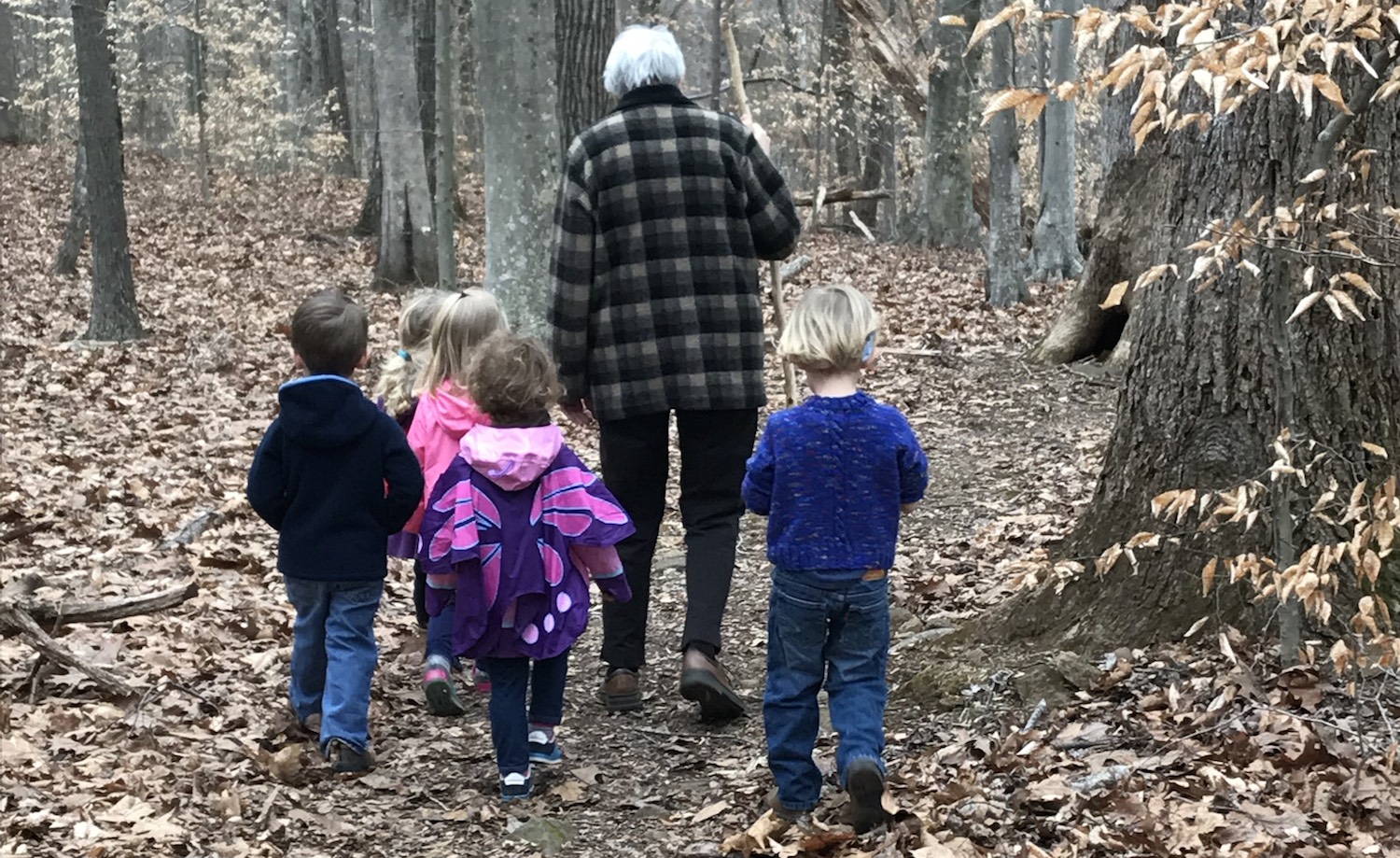
Little Naturalists
Monday, September 14 at 10:00am
Introduce your three to five year-old to nature with this short talk and trail walk.
Full Info -

-
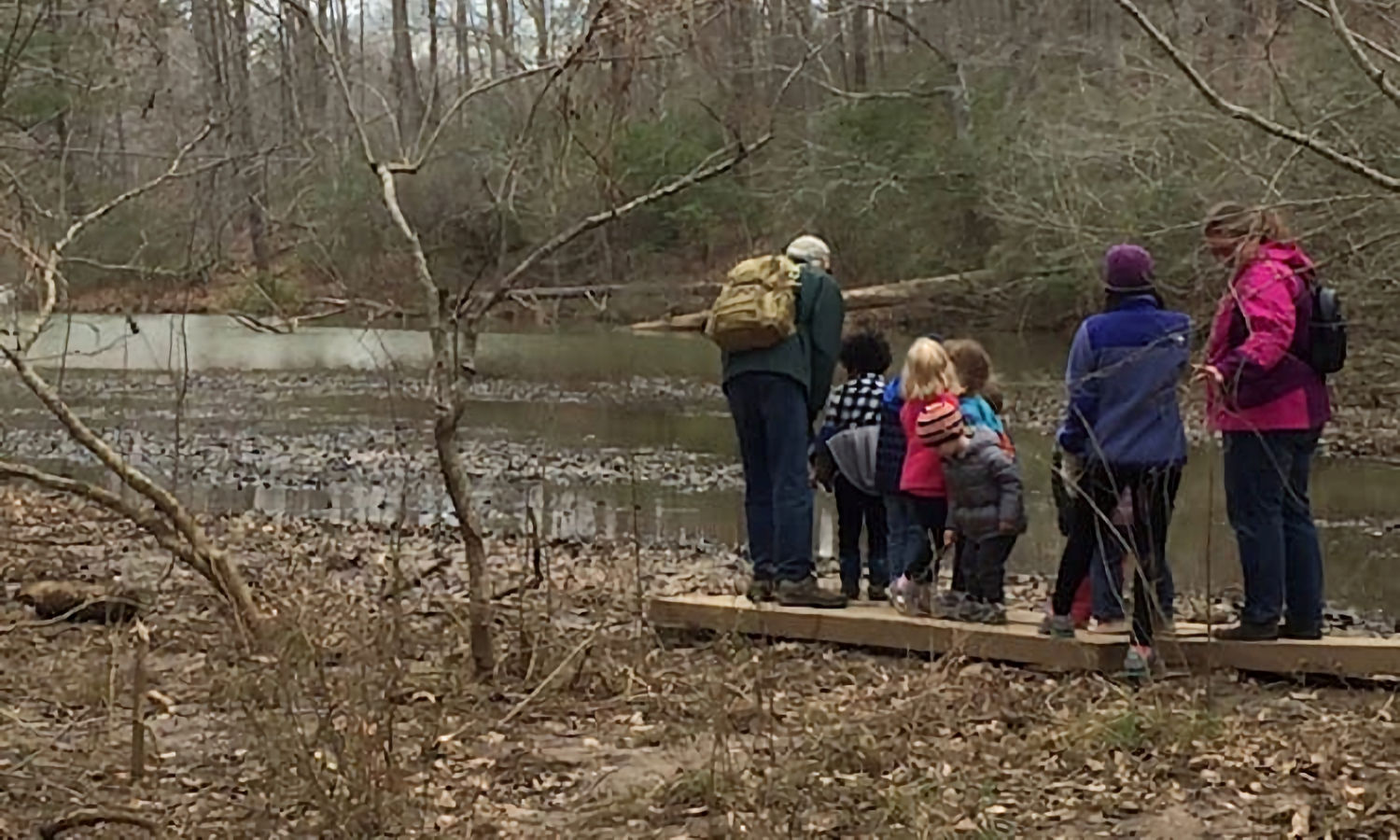
Little Naturalists
Saturday, September 19 at 10:00am
Introduce your three to five year-old to nature with this short talk and trail walk.
Full Info -

Fourth Friday Solar Viewing
Friday, September 25 at 12:00pm
Learn about our closest star with a solar telescope.
Full InfoBoris Starosta
-
Karl Hohenstein
-

Tana Herndon
-

Dr. Thomas G. Barnes, USFWS
-
Rochelle Garwood
-
-

-

Bob Gore
This Week at Ivy Creek

Monday, September 14 | 10:00am
Little Naturalists
We start our connections to the natural world of Ivy Creek at a young age with Little Naturalists. Trained guides explore topics such as food chains, hibernation, how trees grow, and more with 3 to 5-year-olds and their accompanying adults. The program starts indoors for 20-30 minutes where the children engage with guides through reading nature-centered books and doing a hands-on activity related to the day’s topic. This is followed by a short hike.
Little Naturalists meet on the second Mondays and third Saturdays. Gatherings are held from 10:00 to 11:30 am. We prefer that people preregister for these programs. The link to register for the next Monday program is here. Siblings are also welcome to attend.
Little Naturalists follow the weather cancellation policies for Albemarle County Schools. When the schools are closed or there is a late opening, the Little Naturalists will not meet on that day.

Thursday, September 17 | 9:30am
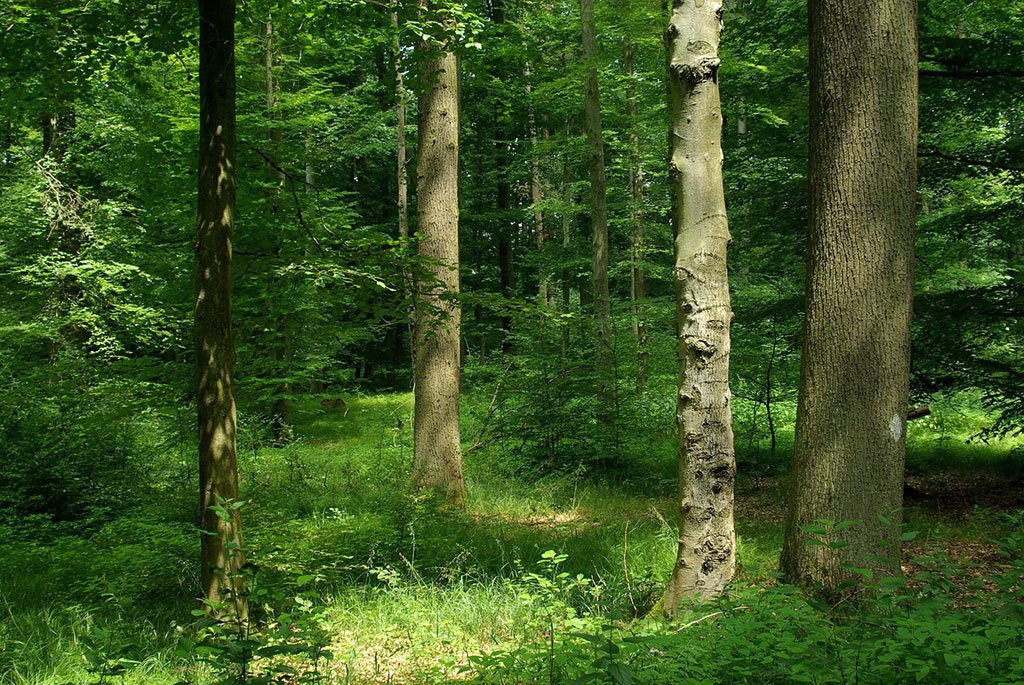
Late Summer Season Guided Tree Walk
Thursday, September 17th from 9:30 -11:00 a.m.
Join Charlottesville Area Tree Steward David Marrs for an informational and enjoyable summer into autumn walk in the forest at the beautiful Ivy Creek Natural Area.
David will begin our walk with a conversation about trees and landscapes transitioning from summer to autumn. Every season provides new things to see and discover. With Autumn just around the corner and the growing season ending, our trees are on the verge of transformation with some leaf changes. We will look for fruit that has developed from spring flowers and spend some time looking at interesting bark.
The walk is easy to moderate and will be in the open and in wooded areas so we recommend that you wear sturdy shoes, long pants, a hat, sun protection and bring water.
Please meet at the Ivy Creek kiosk as you go from the parking lot to the barn.
Please register on Eventbrite.
Please note that this is a program of the Charlottesville Area Tree Stewards. Questions? Contact them at https://charlottesvilleareatreestewards.org/contact-us/.
Saturday, September 19 | 10:00am
Little Naturalists
We start our connections to the natural world of Ivy Creek at a young age with Little Naturalists. Trained guides explore topics such as food chains, hibernation, how trees grow, and more with 3 to 5-year-olds and their accompanying adults. The program starts indoors for 20-30 minutes where the children engage with guides through reading nature-centered books and doing a hands-on activity related to the day’s topic. This is followed by a short hike.
Little Naturalists meet on the second Mondays and third Saturdays of every month. Gatherings are held from 10:00 to 11:30 am. We prefer that people preregister for these programs. The link to register for the next third Saturday is here. Siblings are also welcome to attend.
Little Naturalists follow the weather cancellation policies for Albemarle County Schools. When the schools are closed or there is a late opening, the Little Naturalists will not meet on that day.
Be in the Know!

Want to be up on the latest at ICF? Sign up for our mailing list here to receive our newsletters and updates.
About Ivy Creek
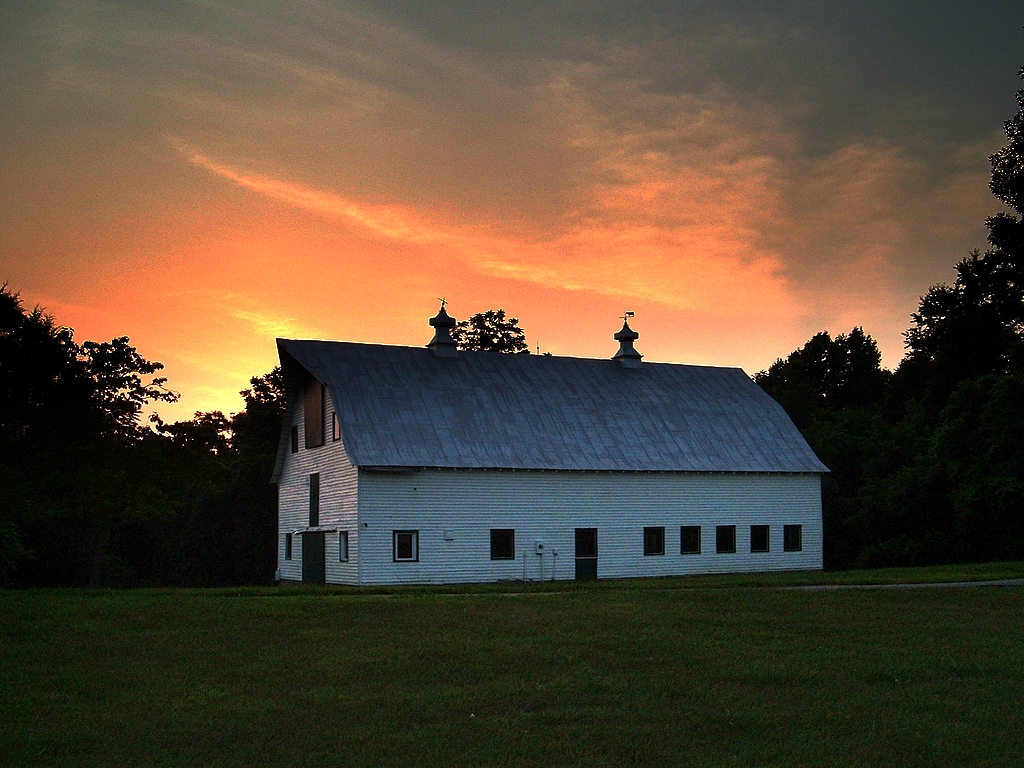
Scenically shadowed by the Blue Ridge Mountains, the Ivy Creek Natural Area (ICNA) is a 219-acre preserve bordering the South Fork Rivanna Reservoir in Charlottesville, Virginia.
With seven miles of trails traversing a mix of upland woods, pine stands, fields, streams, and shoreline, ICNA is an ideal site to learn about the rich natural history characteristic of Central Virginia.