-
Karl Hohenstein
-
Callan Bentley
-
Farm and Barn History Hours
Saturday, April 26 at 10:00am
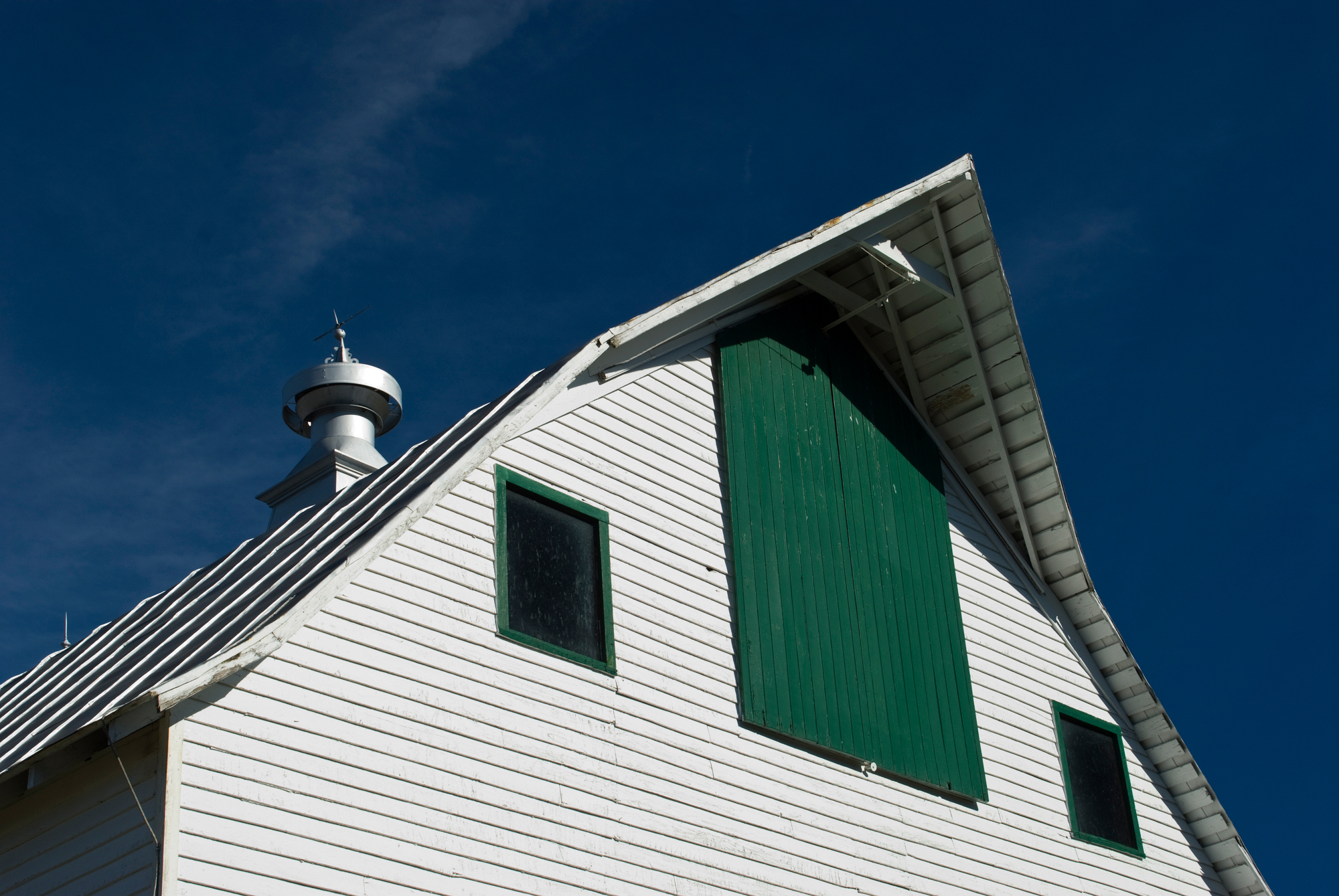
Come inside the barn at Ivy Creek Natural Area.
Full InfoRochelle Garwood
-
-
Gerry Bishop
-
Phil Stokes
-

-
Farm and Barn History Hours
Saturday, May 3 at 10:00am
Come inside the barn at Ivy Creek Natural Area.
Full InfoRochelle Garwood
-
Farm and Barn History Hours
Sunday, May 4 at 10:00am
Come inside the barn at Ivy Creek Natural Area.
Full InfoRochelle Garwood
-

-
Second Friday Solar Viewing
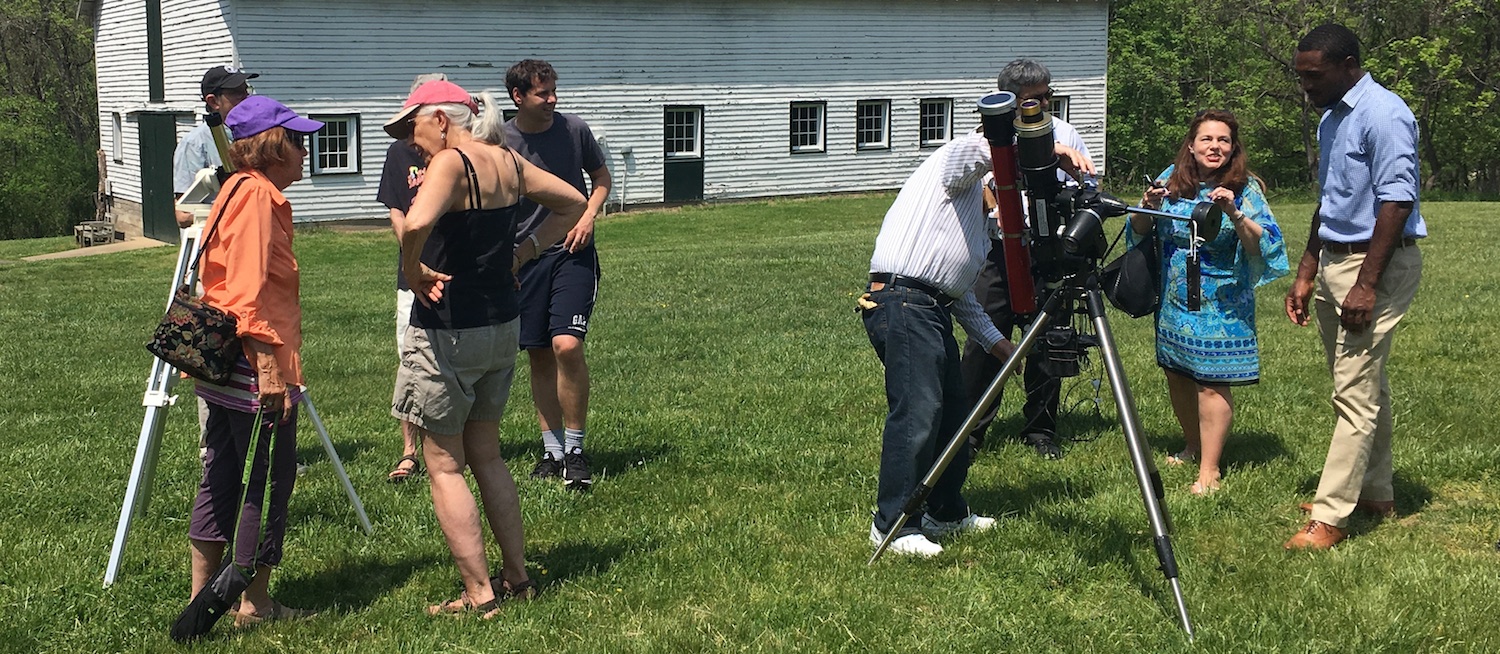
Friday, May 9 at 12:00pm
Learn about our closest star with a solar telescope.
Full InfoKate Mallek
-
Betty Jackson Truax
-
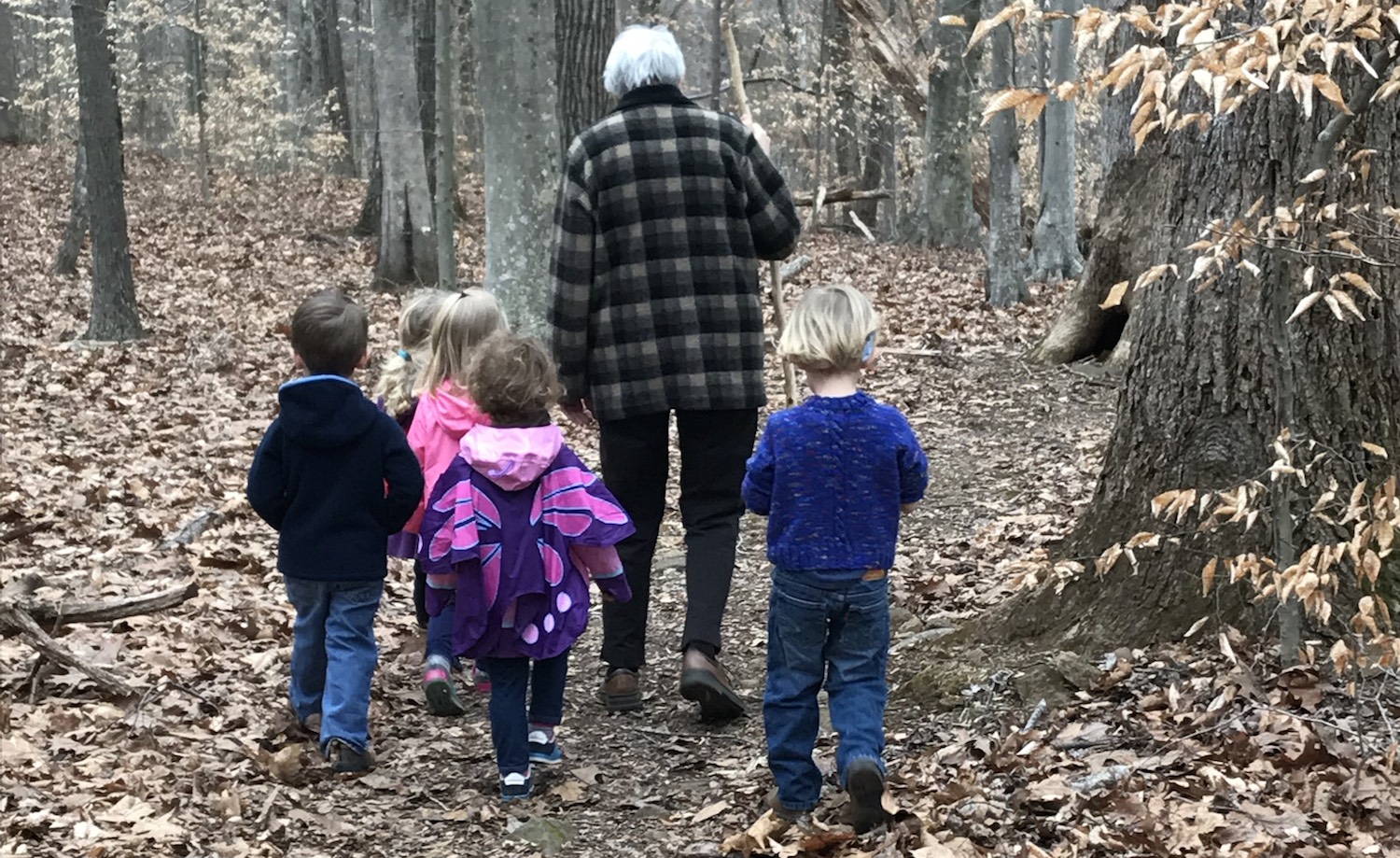
Little Naturalists
Monday, May 12 at 10:00am
Introduce your three to five year-old to nature with this short talk and trail walk.
Full Info -

Catherine Boston
-

Rochelle Garwood
-
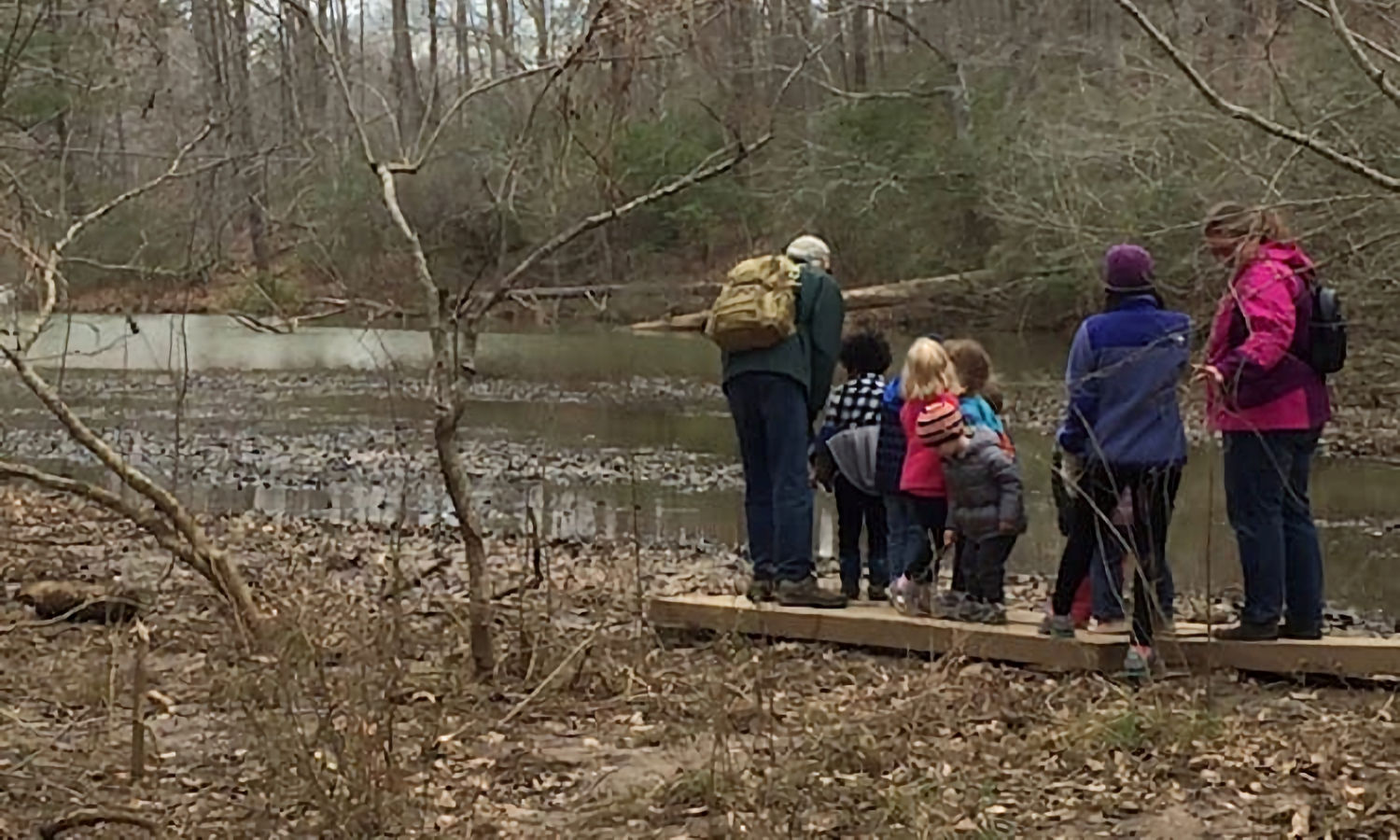
Little Naturalists - Saturday
Saturday, May 17 at 10:00am
Introduce your three to five year-old to nature with this short talk and trail walk.
Full Info -
Callan Bentley
-
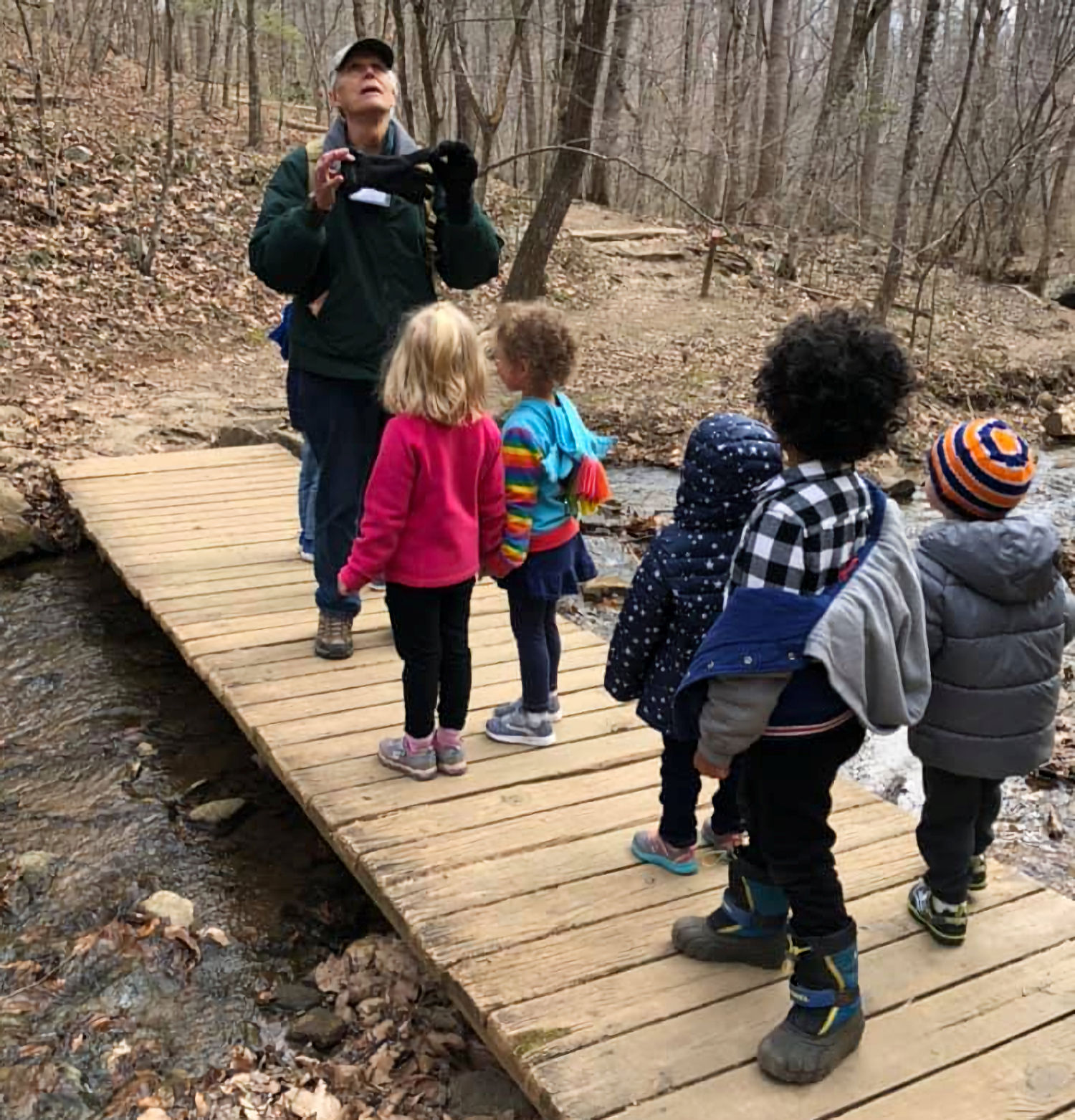
Little Naturalists
Thursday, May 22 at 10:00am
Introduce your three- to five-year-old to nature with this short talk and trail walk.
Full Info -

Dr. Thomas G. Barnes, USFWS
-

Photography Class: Designing a Photo - 14 Steps to Better Composition
Saturday, May 24 at 3:00pm
Full InfoGerry Bishop
-

-
Catherine Boston
This Week at Ivy Creek

Sunday, April 20 | 10:00am
Farm and Barn History Hours
Join us for the opening of the barn at Ivy Creek Natural Area and Historic River View Farm on April 20 from 10 AM - 12 PM. This was formerly the showpiece of the working farm known as River View Farm. It is also one of the reasons that River View Farm is listed on the National Register of Historic Places, along with the contributions of the Carr/Greer family to their community. Come and learn about the family, their work, and the historic exhibits featuring equipment used on the farm.

Monday, April 21 | 8:30am
ICF Board Meeting
A meeting of the Board of Directors of the Ivy Creek Foundation. To learn about the current month's agenda or request presentation time at a board meeting, please contact the Executive Director or the President. Meetings are being held virtually until further notice.

Thursday, April 24 | 10:00am
Little Naturalists
We start our connections to the natural world of Ivy Creek at a young age with Little Naturalists. Trained guides explore topics such as food chains, hibernation, how trees grow and more with three- to five-year-olds and their accompanying adults. The program starts indoors for 20-30 minutes where the children engage with the guides through reading nature centered books and doing a hands-on activity related to the learning in the book. This is followed with a short moderate hike on one of the ICNA trails. Little Naturalists meet on the second Mondays, third Thursdays and fourth Thursdays of the month. Gatherings are held from 10:00 to 11:30 am. We prefer that people preregister for these programs. The link to register for the fourth Thursday in April (4/24) is here. Siblings are also welcome to attend.

Friday, April 25 | 8:00pm
Fourth Fridays Under the Stars
Under The Stars is held on fourth Fridays. Learn about upcoming celestial events in a short lecture given in the education building at 8:00 PM. Afterwards, go outside where local area amateur astronomers will help point out constellations, planets, nebulae, star clusters, and distant galaxies. Have a look through telescopes of the Charlottesville Astronomical Society, or bring your own. Telescopes will be in the field next to the parking lot at the Ivy Creek Natural Area.
Cloudy skies cancel.
Although this event is free and open to the public, we ask that you contact the Charlottesville Astronomical Society at vicepresident@cvilleastro.com if you plan to attend. Only if at least one visitor makes contact and confirms attendance, can the CAS guarantee that they will be at Ivy Creek for their presentation and telescope observing session

Saturday, April 26 | 9:00am
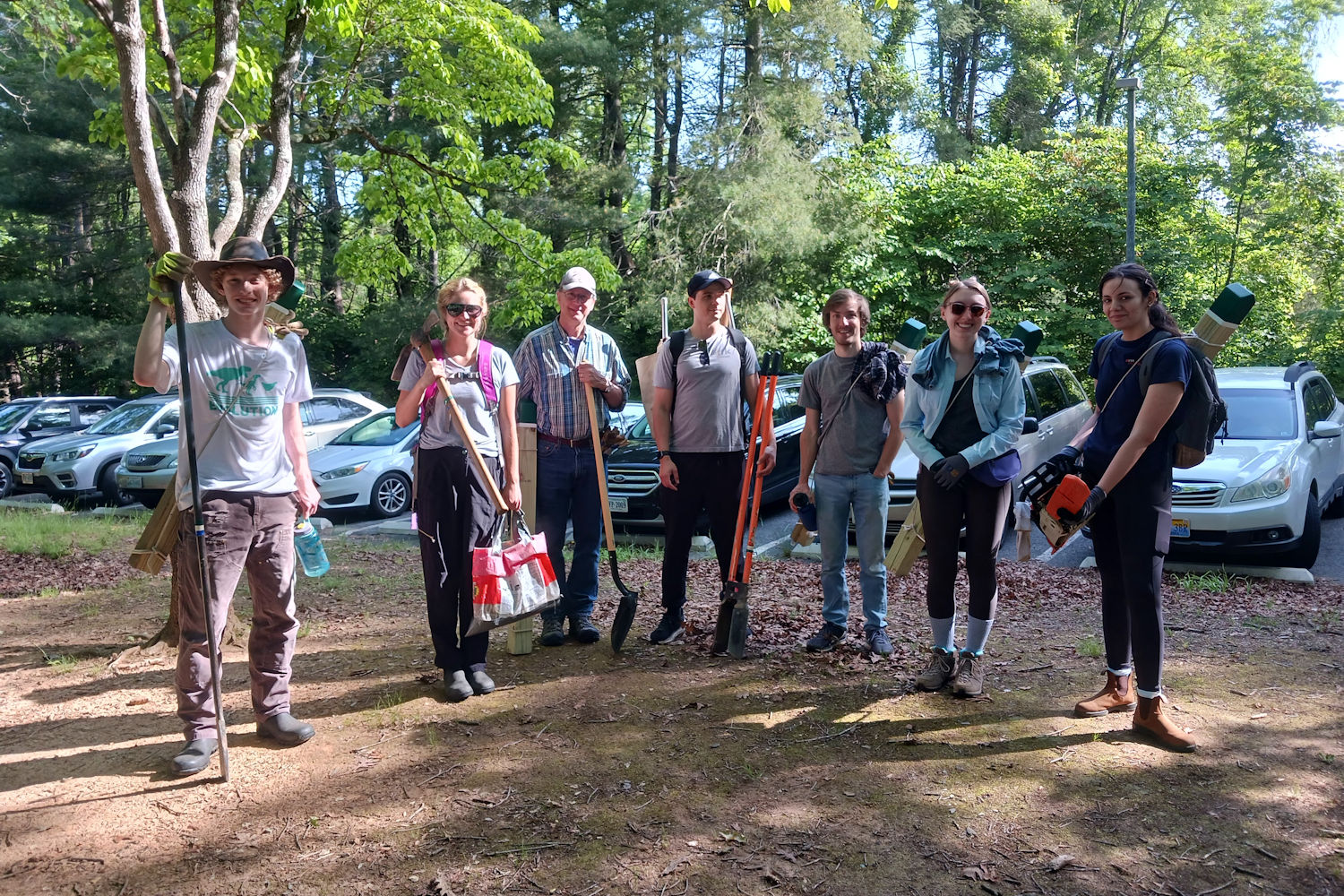
Volunteer Work Day - Saturday
Have you been looking for a way to give back to your community? Do you love Ivy Creek Natural Area and Historic River View Farm? Do you love being outside and making a difference? Then join us for our monthly public work day! We will be working on removing invasive plants, trail maintenance, and landscape restoration from 9 AM - 12 PM on Saturday, April 26. Wear outdoor work clothes and close-toed shoes/boots. Registration: https://app.dvforms.net/api/dv/66zrxe

Saturday, April 26 | 9:00am
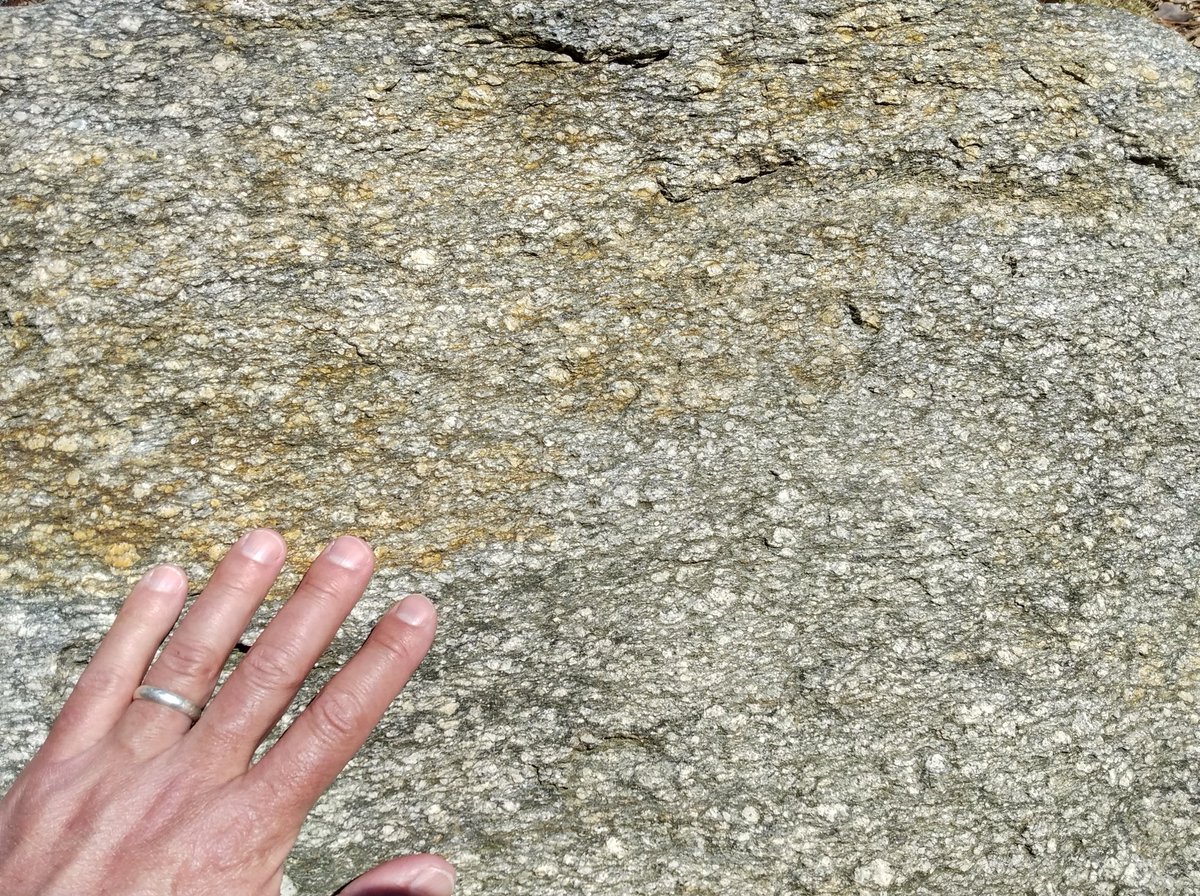
Geology Hike
If you love rocks or would like to learn more about the geological make-up of the area, we hope you will join us for our geology hike on April 26. The participants will meet at the kiosk at 9:00 am. The hike includes climbing a hill, walking on rocky and uneven ground, as well as bending over to view rocks. Limited to 15 participants. Save your spot today at https://app.dvforms.net/api/dv/zk16jd.
Saturday, April 26 | 10:00am
Farm and Barn History Hours
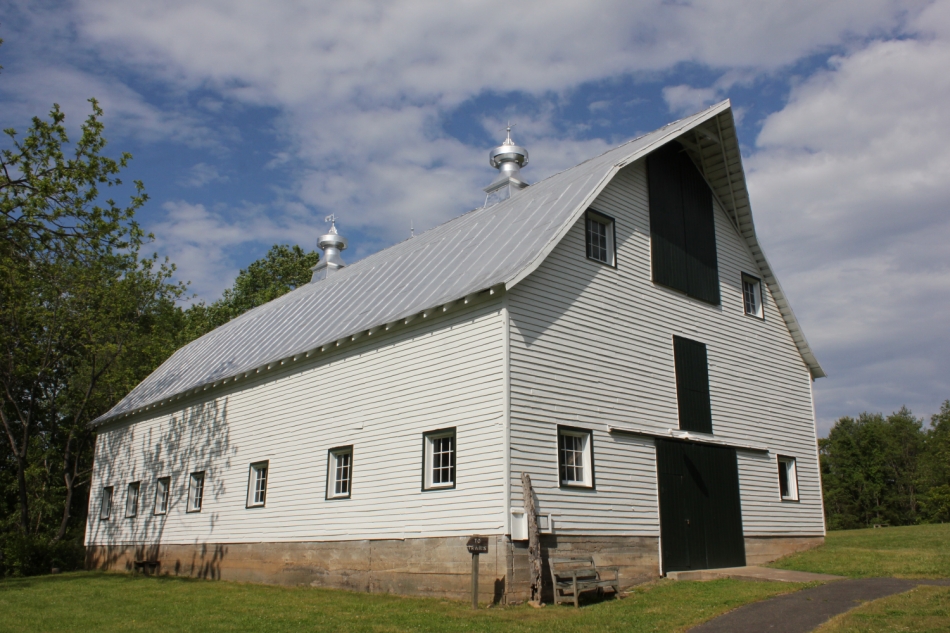
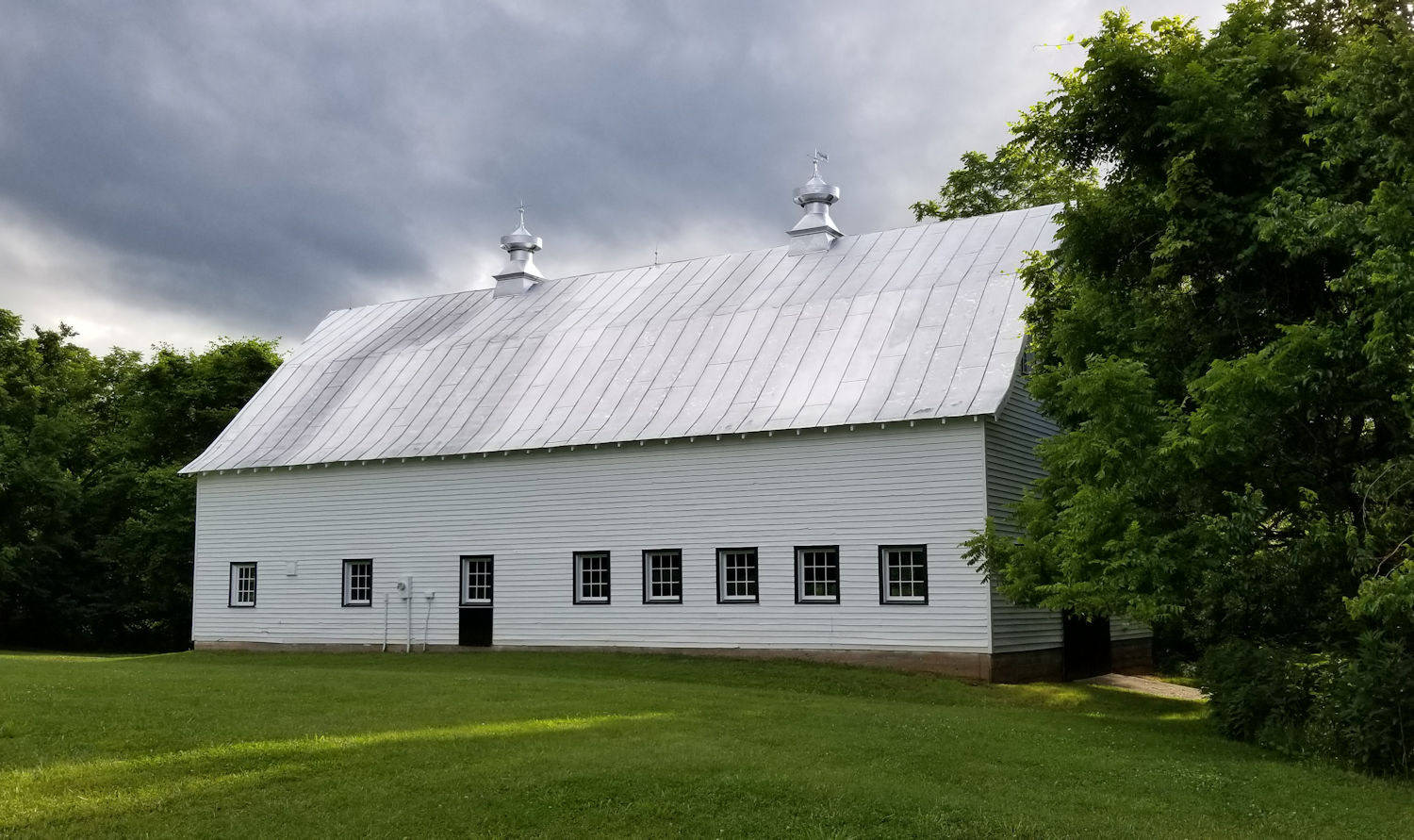
Join us for the opening of the barn at Ivy Creek Natural Area on April 26 from 10 AM - 12 PM. This was formerly the showpiece of the working farm known as River View Farm. It is also one of the reasons that River View Farm is listed on the National Register of Historic Places. Enjoy the displays including natural history exhibits and farm equipment. Additionally, there are historical displays about the Carr/Greer family who built this barn and lived at River View Farm for over one hundred years.

Saturday, April 26 | 5:00pm
Evening Bird Hike
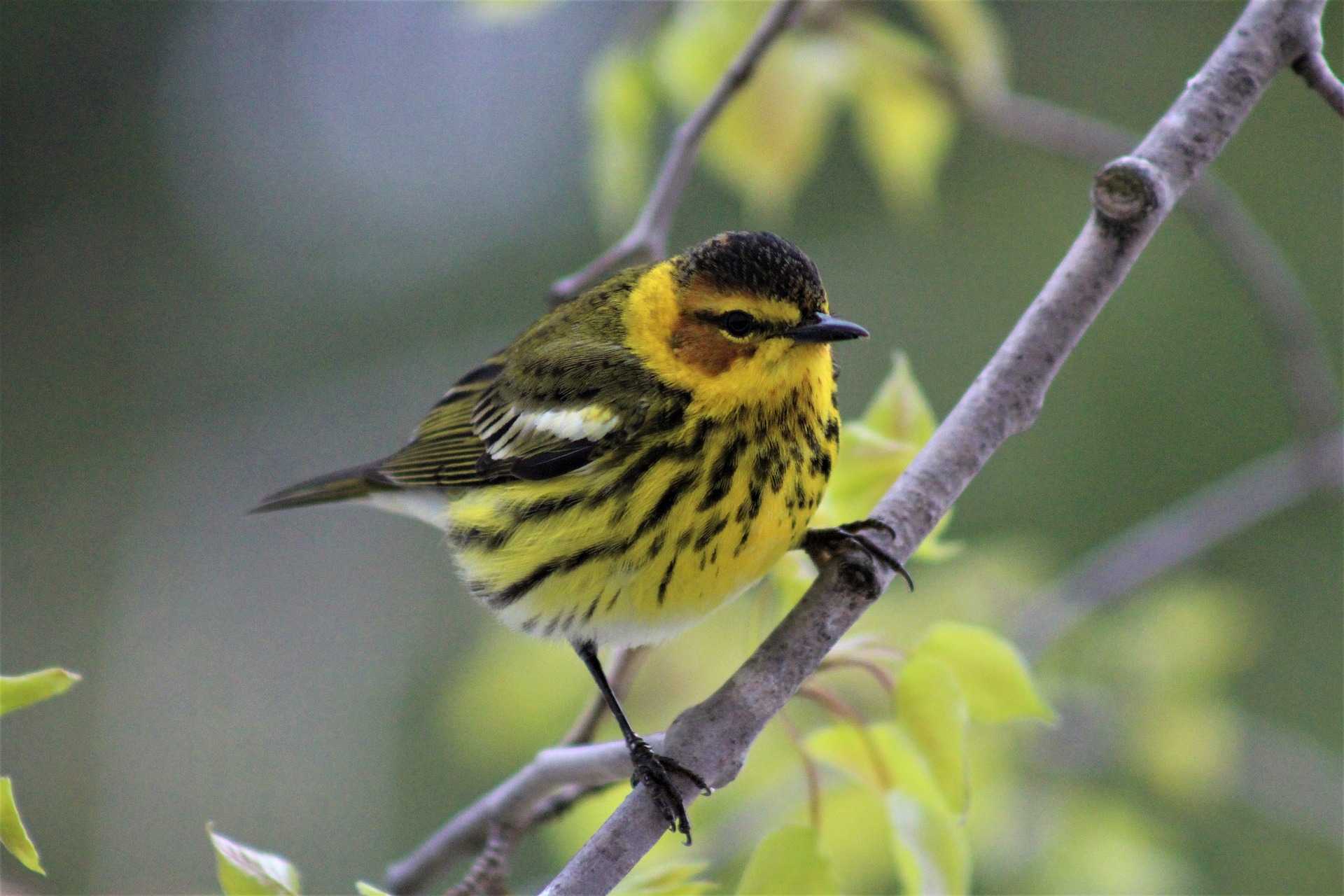
On April 26 at 5:00 PM, join us for an evening bird hike where we will explore the different types of birds that make Ivy Creek their home or a stop on their migration route. This hike is great for beginners! Space is limited and registration is required.
Registration: https://app.dvforms.net/api/dv/o8wr1r
Be in the Know!

Want to be up on the latest at ICF? Sign up for our mailing list here to receive our newsletters and updates.
About Ivy Creek
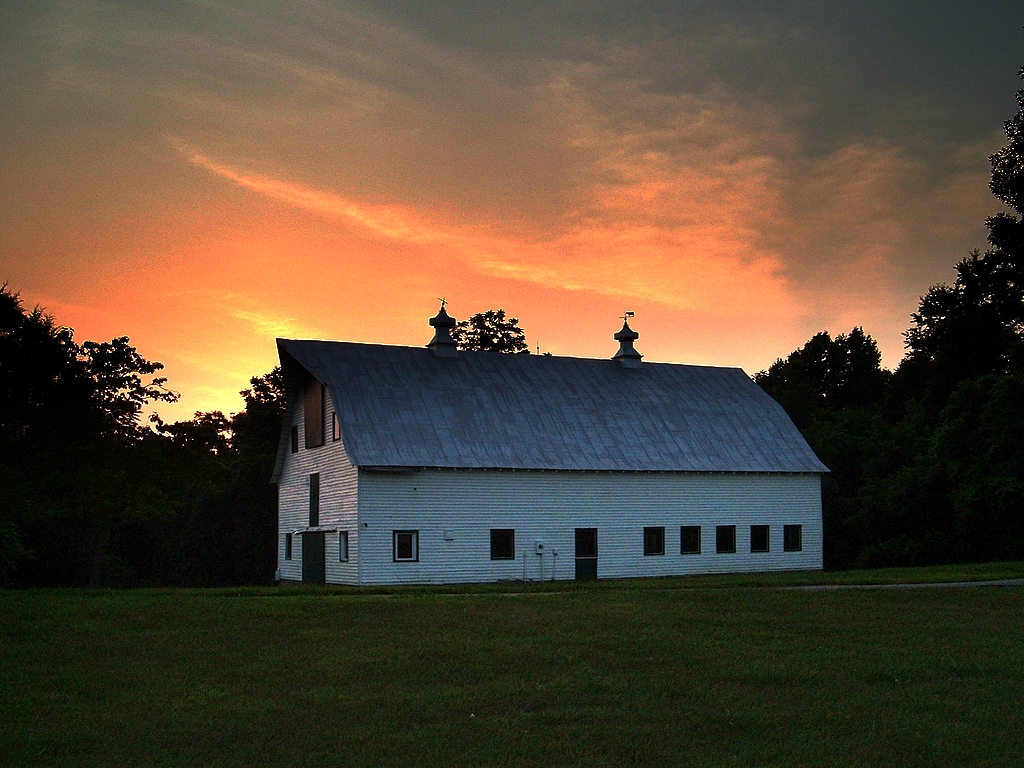
Scenically shadowed by the Blue Ridge Mountains, the Ivy Creek Natural Area (ICNA) is a 219-acre preserve bordering the South Fork Rivanna Reservoir in Charlottesville, Virginia.
With seven miles of trails traversing a mix of upland woods, pine stands, fields, streams, and shoreline, ICNA is an ideal site to learn about the rich natural history characteristic of Central Virginia.